What Is the the Distinction Between Anion Gap and Osmolar Gap?
What Means the Anion Gap?
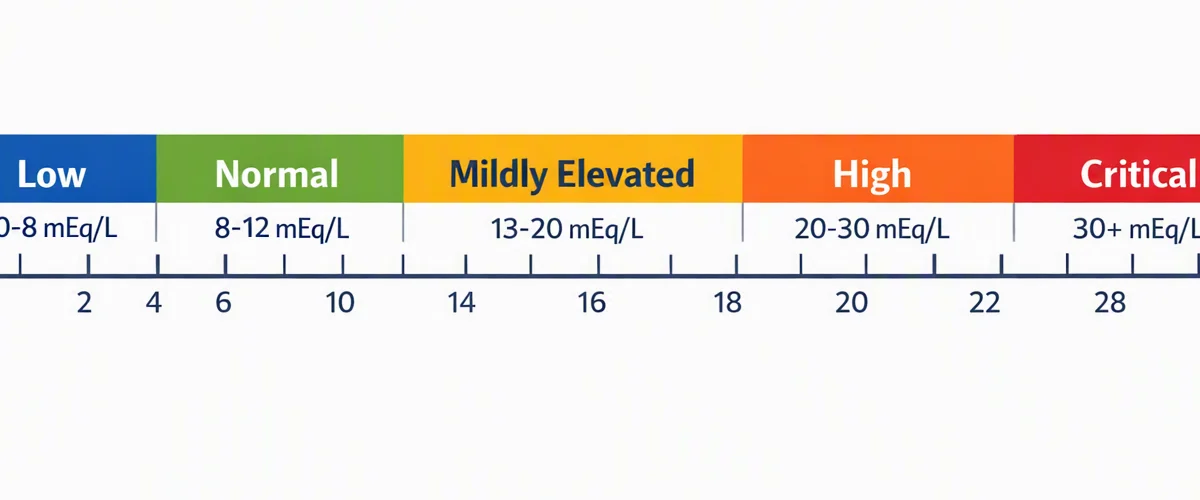
The anion gap is a derived value used to analyze acid-base disorder patterns, especially metabolic acidosis. It reflects the difference between the main measured cations and anions in a basic serum chemistry panel. In practice, the most common inputs are serum sodium, serum chloride, and serum bicarbonate.
The idea behind the anion gap is straightforward: not all ions in blood are directly measured. The gap estimates the amount of unmeasured anions in the blood. When these unmeasured anions increase, the anion gap rises. That makes it a valuable diagnostic tool for narrowing the cause of acidosis.
An anion gap calculator automates the anion gap formula and can accelerate lab interpretation. It is especially useful when reviewing an electrolyte panel in the setting of suspected acid-base imbalance. Because the result is a calculated value, the quality of the input labs matters.
In clinical practice, the anion gap is often discussed alongside acid-base balance and the presence of a high anion gap. If the gap is elevated, clinicians look for causes such as lactate accumulation, ketones, renal dysfunction, or toxins. The result does not identify the cause by itself, but it helps shape the next step in the workup.
What Is the Osmolar Gap?
The osmolar gap contrasts the measured osmolality of serum with the calculated osmolality. It is employed to identify unmeasured solutes or unmeasured osmoles in the blood. Unlike the anion gap, which addresses charged particles, the osmolar gap centers on particles that affect serum osmolality.
A high osmolar gap can be a hint to toxic alcohol ingestion or other causes of elevated solutes in blood. This is why the osmolar gap is often part of the evaluation of poisoning or unexplained altered mental status. It is a practical clinical significance marker when the measured and predicted values do not match.
The osmolar gap is based on a comparison between a directly measured laboratory result and a calculated estimate. The measured value is provided by the lab instrument, while the calculated value uses known contributors such as sodium, glucose, blood urea nitrogen, and sometimes ethanol. When the measured osmolality is higher than expected, the difference suggests additional osmotically active substances.

In other words, the osmolar gap searches for what the routine calculation misses. That makes it an essential part of a broader interpretation guide for toxicology and metabolic evaluation.
Anion Gap vs Osmolar Gap: Main Differences
The difference between anion gap and osmolar gap is based on what each one measures and why it is important. The anion gap is mainly a marker of metabolic acidosis caused by unmeasured anions. The osmolar gap is mainly a marker of increased unmeasured osmoles and is especially helpful in suspected poisoning.
Below is the main distinction:
- The anion gap is used to detect acid accumulation.
- The osmolar gap is used to detect extra dissolved particles in serum.
- The anion gap is tied closely to acid-base disorder assessment.
- The osmolar gap is tied closely to toxicology and osmolar disturbances.
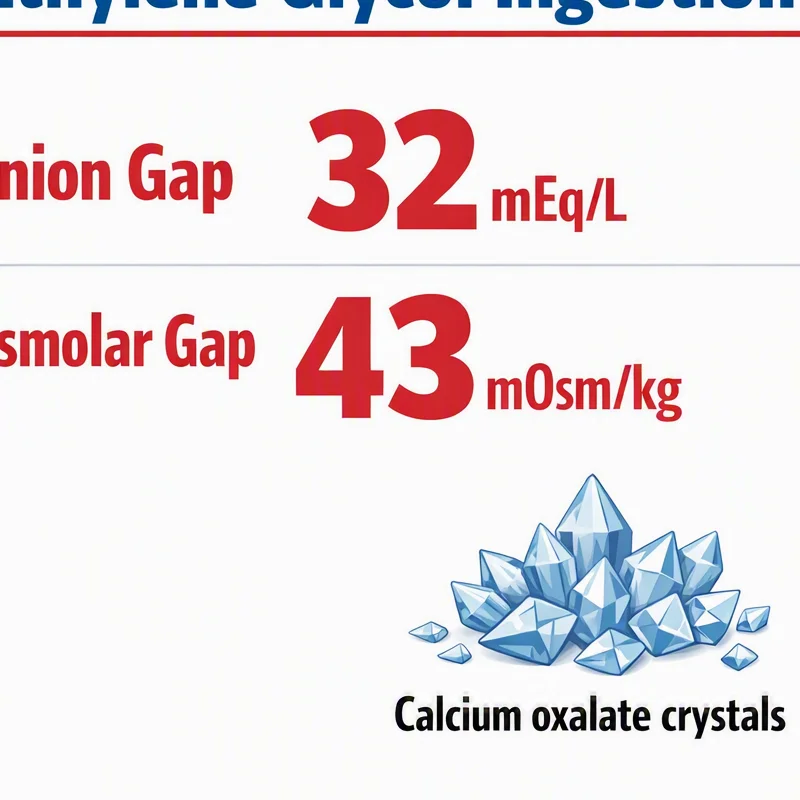
Both are used in clinical interpretation, but they answer separate questions. A patient with high anion gap metabolic acidosis may have elevated lactate, ketones, or toxins. A patient with an elevated osmolar gap may have recently ingested toxic alcohols such as ethylene glycol or methanol. In some cases, both gaps can be abnormal at the same time.
Another key difference is timing. An osmolar gap may rise early after ingestion of a toxic alcohol, before the anion gap becomes markedly elevated. Later, as metabolism proceeds, the osmolar gap may fall while the anion gap increases. That time course is important for lab interpretation and can shape the urgent diagnostic approach.
How to Determine the Anion Gap
The classic anion gap formula is:
anion gap = serum sodium - (serum chloride + serum bicarbonate)It uses standard electrolytes from a serum chemistry panel. Since serum bicarbonate is usually reported as total CO2 on the metabolic panel, the equation is often straightforward to use at the bedside or in an anion gap calculator.
An important adjustment involves albumin. Since albumin is a major unmeasured anion, low albumin can make the anion gap appear falsely normal or only mildly elevated. Because of this, many clinicians use a corrected anion gap when albumin is low. The gap is often described as corrected for albumin so hidden abnormalities are not missed.
Why is this important? Since albumin significantly affects the expected baseline. If albumin is low, a patient may still have clinically important acid retention even if the raw gap looks normal. Using a corrected value enhances sensitivity for detecting a true high gap state.
When applying the formula, always verify the units and the laboratory reference normal range. Small differences in lab methodology can change the result slightly, which is why consistent lab interpretation is important.
How to Determine the Osmolar Gap
The osmolar gap formula juxtaposes measured osmolality with calculated osmolality:
The calculated value usually includes major contributors such as glucose, blood urea nitrogen, and sodium, with ethanol added in many formulas when relevant. Because ethanol is osmotically active, it can elevate the measured value even when other causes are absent.
The exact formula may change by institution, but the goal is the same: compare a measured value with an expected value. If the difference is elevated, it indicates excess osmoles that are not being captured by the basic calculation. This is why the osmolar gap can be a valuable clue in suspected toxic alcohols and other poisoning scenarios.
Unlike the anion gap, the osmolar gap does not directly assess acid-base status. Instead, it identifies a mismatch in https://anion-gap-app284.overblog.fr/2026/08/can-diabetes-cause-a-high-anion-gap.html osmolality. That makes it a useful complement to the anion gap rather than a replacement for it.
When Each Gap Becomes Clinically Useful
The anion gap is most useful when evaluating high anion gap metabolic acidosis. It can separate common acid-base problems into broad categories and can point toward conditions such as ketoacidosis, lactic acidosis, or renal dysfunction. If the patient is acidotic, the anion gap helps determine whether unmeasured acids are present.
The osmolar gap is particularly helpful in suspected toxic alcohol ingestion. It may be elevated with ethylene glycol or methanol, which are well-known causes of severe poisoning. In these cases, the osmolar gap may provide an early warning before confirmatory toxicology testing is available.
These tests are often used together because they provide separate types of information. A patient with metabolic acidosis and an elevated osmolar gap raises concern for a toxic ingestion, while a patient with elevated anion gap but normal osmolar gap may point more toward lactic acidosis, ketoacidosis, or renal failure.
The best use of either test depends on the clinical picture. They are not screening tests in isolation; they are specific pointers within a broader diagnostic process.
Typical Causes of an Elevated Anion Gap
An elevated anion gap typically suggests the presence of extra acids or unmeasured anions. Common causes include:
- lactic acidosis
- ketoacidosis
- renal failure
- salicylates
Lactic acidosis develops when lactate accumulates due to reduced blood flow, hypoxia, seizures, or critical illness. Ketoacidosis can develop in diabetes, alcohol use disorder, or prolonged fasting. Renal failure leads to reduced clearance of acids, causing retained organic anions. Salicylates can also contribute to mixed acid-base patterns and a raised gap.
These conditions differ in mechanism, but they all lead to acid accumulation relative to the body's buffering capacity. The anion gap is therefore a useful indicator for recognizing a hidden acid load. When used with serum chemistry, it becomes part of a practical diagnostic tool for metabolic acidosis.
Typical Causes of an Elevated Osmolar Gap
An raised osmolar gap points to excess unmeasured osmoles in blood. Common causes include:
- toxic alcohols
- mannitol
- propylene glycol
- isopropanol
Toxic alcohols are the most concerning group because they can trigger severe metabolic and neurologic injury. Methanol and ethylene glycol are especially important because they may produce both osmolar and anion gap abnormalities over time. Mannitol can raise the osmolar gap because it is a substantial osmotically active agent. Propylene glycol, sometimes found in medications, can also increase the gap.
Isopropanol is another classic cause of elevated osmolar gap. It is metabolized by a different pathway from methanol and ethylene glycol, and its laboratory pattern may differ, but it still serves as a major toxicology clue. In each case, the osmolar gap is a signal that something beyond the routine calculation is present.
How to Interpret Both Gaps Together
The most useful diagnostic approach often comes from interpreting both gaps together rather than separately. If the anion gap is high and the osmolar gap is elevated, the combined pattern raises concern for a toxic ingestion, especially a toxidrome involving ethylene glycol or methanol. If the anion gap is high but the osmolar gap is normal, the differential shifts toward common metabolic causes such as lactic acidosis or ketoacidosis.
When both are abnormal, clinicians consider the timing of ingestion, the stage of metabolism, and the current acid-base disorder. Early after exposure, the osmolar gap may be high because the parent compound is still present. Later, as metabolism progresses, the anion gap may rise due to organic acid formation. This dynamic pattern is central to clinical interpretation.
A practical workflow is to review symptoms, examine the serum chemistry panel, check the electrolytes, and then contrast the measured and calculated values. The gaps should not be interpreted on their own. They are pieces of a larger puzzle that includes history, examination, and other lab data.
In short, the anion gap helps answer, “Is there an unmeasured acid problem?” while the osmolar gap helps determine, “Is there an unmeasured solute problem?” Together, they create a more complete interpretation guide for complex metabolic presentations.
Frequently Asked Questions
What is the main difference between anion gap and osmolar gap?
The main difference is that the anion gap reflects unmeasured anions and is used primarily for evaluating metabolic acidosis, while the osmolar gap reflects unmeasured osmoles by comparing measured osmolality with calculated osmolality. One is mainly about acid-base balance, and the other is mainly about abnormal serum osmolality.
When should an anion gap calculator be used?
An anion gap calculator should be used when interpreting serum chemistry results in a patient with suspected acidosis, unexplained illness, or possible high anion gap metabolic acidosis. It is especially helpful when you want a rapid, standardized calculation from serum sodium, serum chloride, and serum bicarbonate, and when you need to account for albumin with a corrected anion gap.
What does a high osmolar gap indicate?
A high osmolar gap indicates that the measured osmolality is higher than expected from the calculated value, suggesting extra unmeasured osmoles. This can happen with toxic alcohols, mannitol, propylene glycol, or isopropanol. In the right setting, it is an important clue for toxicology evaluation.
Can both the anion gap and osmolar gap be increased at the same point?
Absolutely. Both can be raised at the same time frame, especially in toxic alcohol ingestion such as ethylene glycol or methanol. At first in the course, the osmolar gap may be increased because the parent compound is present. Subsequently, metabolism can produce acids that raise the anion gap, creating a dual pattern that strongly suggests poisoning.
What disorders cause a raised anion gap metabolic acidosis?
Frequent causes of high anion gap metabolic acidosis include lactic acidosis, ketoacidosis, renal failure, and ingestion of substances such as salicylates. These conditions elevate the burden of acids or unmeasured anions in the blood, which is why the anion gap becomes raised.